
One of the questions I hear most often in implementations seems simple: this material we bought, does it go to inventory or straight to expense? The answer changes the cost, the month's profit, and the way Odoo is configured.
Accounting criteria first
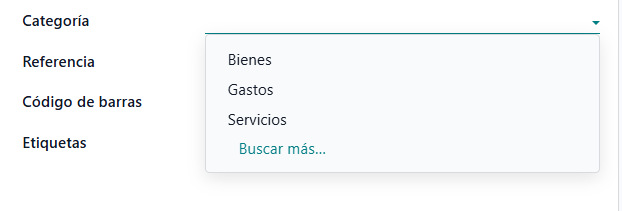
If the material will be consumed in operations and the company wants to control its stock, it is managed as inventory. If it is a minor consumable and controlling it costs more than the material itself, it goes straight to expense when received. That criterion is documented once per product category, not product by product.
The flow from purchase to receipt to quality
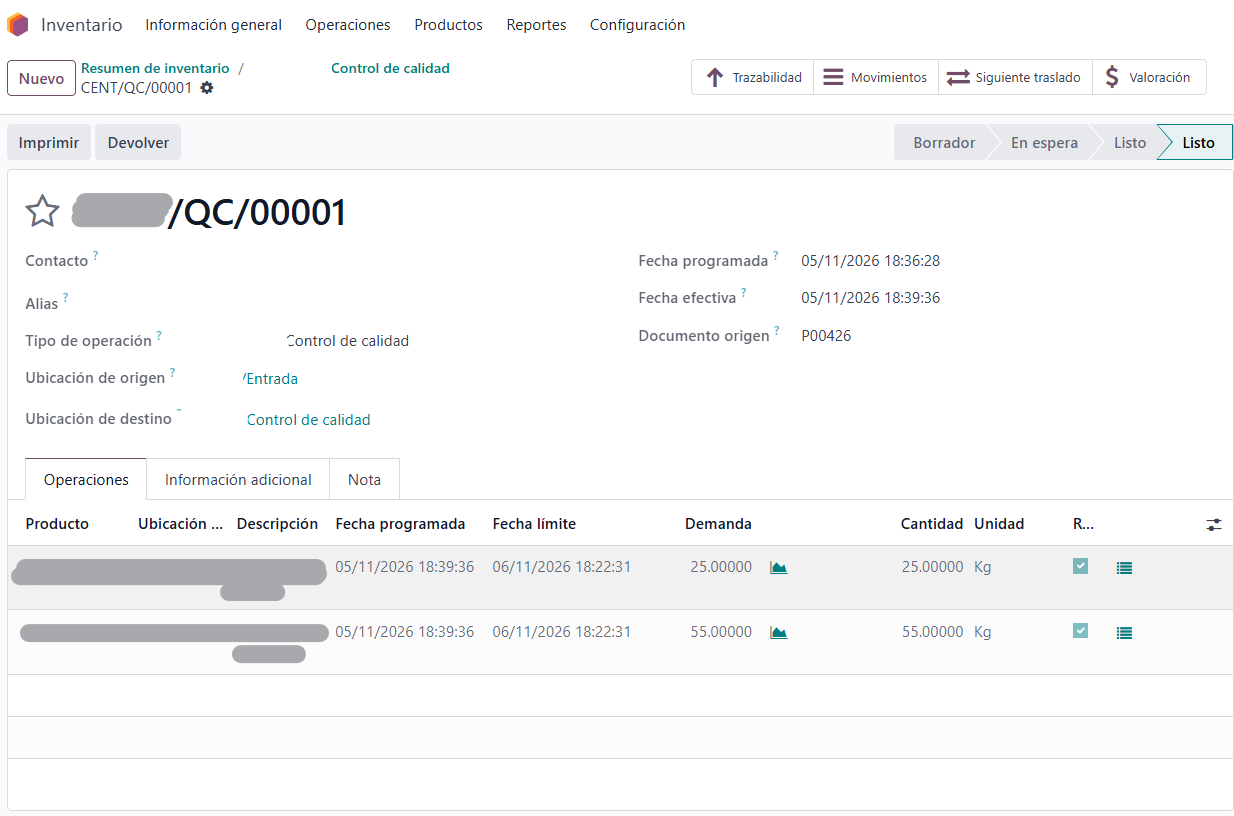
The healthy flow is: purchase order, receipt against the order, quality inspection when applicable and, only then, the vendor bill. With lots, every receipt keeps its traceability, and the bill is matched against what was actually received, not against what was ordered.
Scrap or adjustment: they are not the same
Scrap that is a normal part of the process is recorded as scrap and flows into cost. An inventory adjustment corrects a counting difference. Mixing them up distorts the margin and makes the stock report unreadable.
Minimum and maximum replenishment rules
For materials that are inventory, min/max rules prevent running out of stock without overbuying. Calibrate them with one or two months of actual consumption, not with an estimate.

Defining the accounting criteria first saves reclassifications later. If your operation buys all kinds of supplies, review your categories before entering the next order.